
You may have felt that quiet desire to change every time you look in the mirror, or in every photo where you instinctively close your lips, holding back the full smile that makes you unique. The chips, the gaps, the discoloration that whitening never quite fixed, the teeth that have always seemed too small or too uneven.
That shift in your life, the freedom to smile without hesitation, is within reach with modern porcelain veneers. These wafer-thin shells of medical-grade ceramic bond to the front surfaces of your teeth and instantly correct color, shape, size, and minor alignment issues. It might seem like magic, but it’s actually precision work designed by a skilled prosthodontist and crafted by a master ceramist, so modern veneers look completely natural; there’s no need to worry about the artificial, “chiclet” look you may have seen elsewhere.
In our practice, our prosthodontists have transformed hundreds of smiles with modern porcelain veneers. To give you confidence in your decision, we use digital smile design technology to show your results before any work even begins. You will see exactly how your new smile will look and, most importantly, you will have the opportunity to request adjustments before committing to the treatment.
They’re designed to help you reclaim your smile so you can enjoy life with more confidence, and they have several interesting aspects worth knowing about:
Think of them as a fresh start for your smile, designed to cover what concerns you while looking and feeling just like natural enamel. Modern porcelain veneers are custom-made shells of dental ceramic, usually around 0.3 to 0.5 millimeters thin, that bond permanently to the front of your teeth.
What makes modern porcelain veneers interesting is that, unlike crowns, which wrap around your entire tooth, they only cover the visible front surface, so they’re a gentler approach when your teeth are healthy structurally but need cosmetic improvement.
Porcelain veneers are a popular choice because of how versatile they are, and they can handle:
Veneers aren’t always the right answer, especially if you’re dealing with significant decay, structural damage, or a tooth that needs root canal treatment, where crowns make more sense. When there’s severe misalignment involved, you might need orthodontics first, and honestly, if your main concern is just color, professional whitening could be all you need, and it costs a lot less.
During your consultation, we’ll look at whether veneers really match what you’re trying to achieve or if there’s a better route that would work for you.
Every patient is different, which is why our prosthodontists take time to understand your goals and design veneers that complement your unique features. We combine specialized expertise with digital technology to create results that look natural and feel right for you.
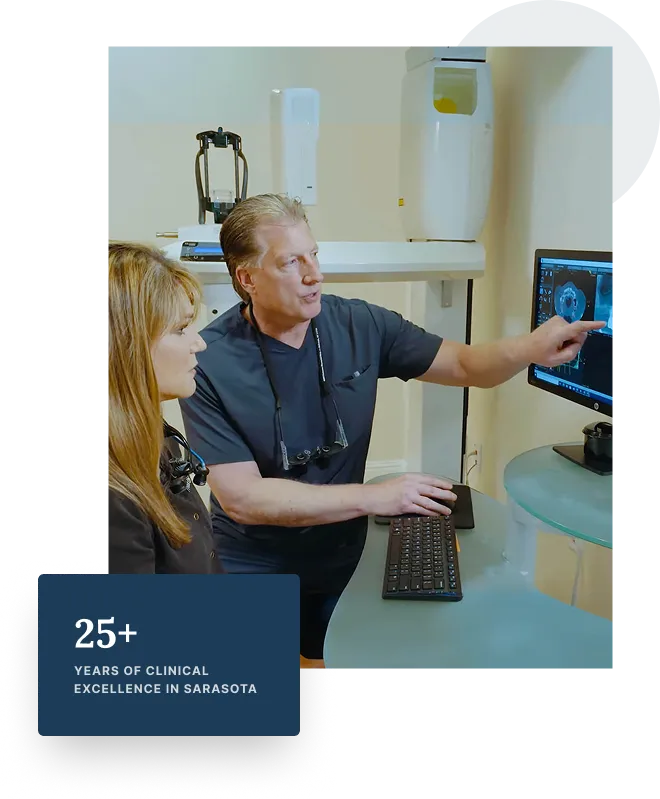
At many practices, general dentists handle veneer design and placement, which works fine for straightforward cases, but at Misch, we focus on personalized care at a higher level, so your veneers are designed by board-certified prosthodontists Dr. Katherine Misch and Dr. Harry Haring, specialists who completed three extra years of training specifically in complex restorations and cosmetic dentistry.
Dr. Harry focuses on digital smile design and full mouth aesthetic cases and has spent years developing the artistic eye and technical precision that separates exceptional veneer work from average results. The small details make the difference: how color naturally shifts from gum line to edge, the subtle texture that mimics real enamel, proportions that actually complement your face instead of looking generic, building an appearance that feels completely natural and in harmony with your features.
One of the biggest worries patients have about veneers is not knowing how they’ll turn out, and once veneers are bonded to your teeth, there’s no going back. That’s why we help you get past that uncertainty by letting you preview your new smile through digital design.
Using high-resolution photos and digital software, we create a simulation of your final result before any treatment starts, and you’ll see what your new smile will look like from multiple angles, in different lighting, even overlaid on photos of your own face, which helps you recover the natural essence of your smile.
The level of customization is completely in your hands. If you want changes, longer teeth, a slightly different shape, a whiter or more natural shade, we adjust the design until you’re fully satisfied, and only then do we move forward with the actual veneers.
Your veneers are only as good as the ceramist who makes them, which is why we make an effort to work exclusively with top-tier dental laboratories where master ceramists specialize in lifelike porcelain restorations. You can be sure that these aren’t mass-produced veneers from a budget lab; they’re individually handcrafted to match your natural teeth and reflect light the way real enamel does.
Getting veneers is a careful process with distinct steps, each designed to ensure you’re confident in your decision and thrilled with your outcome.
Building a successful relationship with veneers starts with a thorough consultation where we look closely at your teeth, gums, and how your bite comes together, taking photographs and either impressions or digital scans while talking through what you’re hoping to achieve. We’ve found we get the best outcomes when we really take time during this visit to understand what’s bothering you about your smile right now and what you’re picturing when you think about your ideal smile.
We’ll walk through whether veneers make sense for what you want, how many teeth we’d be treating, and what you can expect to invest, but there’s never any pressure here because what we’re really after is making sure you have all the information you need to feel good about your decision.
Once you’re ready to move ahead, we build a digital version of what your new smile could look like, showing you realistic images of how veneers would actually appear on your teeth, and from there we tweak and adjust the design together until you’re genuinely looking forward to the result.
Sometimes we’ll go a step further and create what amounts to a physical preview, placing temporary material over your teeth so you’re not just seeing the changes on a computer screen but actually feeling them in your mouth.

Getting veneers means we need to remove a small amount of enamel from the front of your teeth, usually about half a millimeter, to make room for the porcelain that's going to cover them, and because this can't be undone later, we put a lot of thought and time into the design phase before we ever get to this point.
We'll numb the area to keep you comfortable throughout, and depending on how many teeth we're working on, the prep visit usually runs somewhere between one and two hours, but you won't leave with exposed teeth because we'll send you home with temporaries that protect what we've prepared while giving you a taste of what's coming.
After your prep appointment, everything we’ve measured and mapped out gets sent to the lab we partner with, and this is where the real artistry happens because skilled ceramists are hand-building each individual veneer, layering different shades of porcelain to get that natural depth and the way light passes through real enamel, which usually takes somewhere around two to three weeks.
When the lab sends your veneers back, you'll come in so we can place each one and check how it fits and looks, making small tweaks if anything needs adjusting, and once you give us the green light, we use a specialized adhesive to bond them permanently to your teeth.
After we polish everything and make sure your bite feels right, you'll get to see the finished version of your smile, and honestly this moment is something special for us too because patients tend to get pretty emotional when they're finally seeing something they've been wanting for so long become real, and being part of helping you get there means a lot to us.
The type of veneer that works best really comes down to what kind of changes you’re after and what condition your teeth are in to start with, so we’ll talk through the different routes and figure out which one gets you where you want to be without doing more than necessary.
With traditional veneers, we're removing about half a millimeter of enamel to fit the porcelain, which isn't a huge amount when you consider it's roughly as thick as a fingernail, but it does mean once we've done it there's no going back, so those teeth will need veneers from that point on.
What traditional veneers give you is the most room to make changes in how your teeth look, their shape, their color, how they line up, making them the better pick when you're going for a bigger transformation.
If your teeth don't need as much correction, we might be able to use minimal-prep or even no-prep veneers, which are thinner versions that sometimes measure just 0.2mm and don't require us to take off much enamel or any at all.
The upside here is we're being more conservative with your natural tooth structure, and in some cases, the change could potentially be reversed down the road, but the trade-off is these work best for smaller adjustments, so if you're looking for a dramatic shift in how your smile looks, regular veneers usually deliver stronger results.
Rest assured, we'll go over which direction makes the most sense for where you're starting from and where you want to end up when you come in for your consultation.
Veneers represent a significant investment, so naturally, you want to know how long they’ll last and what affects their longevity. The answer depends partly on the quality of the work and partly on how you care for them.
When you take care of them properly, quality porcelain veneers tend to hold up for fifteen to twenty years and often push past that, and we’ve got patients walking around with veneers we placed back in the 2000s that still look great, which is a pretty different story from composite bonding that usually needs replacing every five to ten years because porcelain just holds its appearance better over time.
Your daily habits play a bigger role than you might think, and grinding or clenching your teeth, especially at night, is probably the biggest threat to how long veneers last, so if that’s something you deal with we’ll set you up with a custom night guard to protect what you’ve invested in, and things like biting down on hard objects, using your teeth to open packages, or crunching ice can crack veneers the same way they’d damage your natural teeth.
Keeping up with brushing, flossing, and coming in for regular cleanings is another big piece of making veneers last because while the porcelain itself won’t get cavities, the tooth underneath it absolutely can, so good oral hygiene protects both the veneer and what’s supporting it.
Similarly, gum health impacts the lifespan of your veneers because if gum recession occurs over the years, the edges of the veneers may become visible, and maintaining gum health helps preserve the seamless appearance.
Understanding what veneers cost helps you plan for the smile you want, and while the investment varies based on your specific needs, knowing the factors that influence pricing lets you make a decision that aligns with both your goals and your budget.
Porcelain veneers at our practice typically range from $1,500 to $2,500 per tooth, so a full smile makeover addressing six to ten front teeth represents an investment of $9,000 to $25,000, depending on how many veneers you need and how complex your case is.
This investment includes your consultation, digital design, tooth preparation, temporary veneers, laboratory fabrication, and bonding, as well as any follow-up adjustments you might need.
Cost varies based on several factors, including
Here’s how veneers compare to other cosmetic dental options:
| Treatment | Cost Per Tooth | Best For | Longevity |
|---|---|---|---|
| Bonding | $300-$600 | Minor single-tooth repairs | 5-10 years |
| Veneers | $1,500-$2,500 | Smile transformation | 15-20 years |
| Crowns | $1,500-$2,500 | Structural damage | 15-25 years |
When you’re evaluating cost, consider longevity because this is really a long-term investment, and veneers that last twenty years actually cost less per year than bonding that needs replacement every seven years, so for a comprehensive smile transformation, veneers typically offer the best long-term value.
Because veneers are considered cosmetic, dental insurance rarely covers them. That’s why we provide detailed documentation for any portion that might qualify for coverage, such as veneer placement following trauma. We’re a fee-for-service practice, so payment is due at the time of service.
Finding the answer to this question matters because each person has a particular case and their own objectives when choosing one treatment over another.
You may be an excellent candidate for veneers if your teeth are healthy but cosmetically flawed, you want to address multiple issues at once, like color, shape, and minor alignment, you're committed to maintaining good oral hygiene, you have realistic expectations about the outcome, and you're ready to make a permanent change to your smile.
Veneers may not be the best choice if you only have one or two minor chips where bonding may suffice, your concern is purely color since whitening is less invasive and less expensive, you have significant decay or structural damage where crowns provide more strength, you grind heavily and aren't willing to wear a night guard, or you have active gum disease that must be treated first.
Here are straightforward answers to the most common concerns we hear during consultations.
Not when done well, because poor-quality veneers look fake when they’re overly white, bulky, or uniform in appearance since they lack the natural characteristics of real teeth. Our prosthodontists design veneers with subtle color variations, natural translucency, and appropriate proportions that match your face, so people should notice your beautiful smile, not your dental work.
The preparation appointment involves removing a thin layer of enamel, which is done under local anesthesia, so you won’t feel pain during the procedure. Some patients experience mild sensitivity for a few days afterward, which typically resolves quickly, and the bonding appointment is comfortable and requires no anesthesia.
Porcelain itself is highly stain-resistant, even more so than natural enamel, but the bonding cement at the edges can discolor over time if exposed to excessive coffee, tea, or tobacco, so maintaining good hygiene and regular cleanings minimizes this risk.
While porcelain is durable, veneers can chip under extreme force just like natural teeth, and if a veneer breaks, it typically needs replacement rather than repair, which is why we emphasize protecting your investment with a night guard if you grind.
Bonding is ideal for one or two isolated minor repairs, while veneers make sense when you want comprehensive improvement across multiple teeth, and if you’re unsure, schedule a consultation where we’ll examine your teeth and recommend the most appropriate solution for your goals.
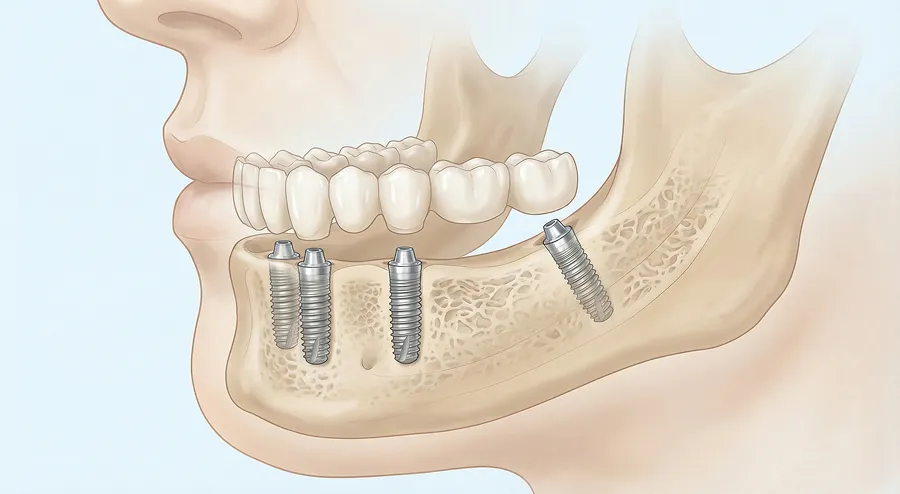
For full arch cases (All-on-4), we place a fixed temporary bridge on the same day as surgery. This is possible because the implants are strategically angled to achieve immediate stability, and the bridge distributes force across all implants rather than concentrating it on a single post.
If you’ve been thinking about transforming your smile, veneers might be the answer, and the next step is scheduling a consultation where we’ll figure out if veneers match what you’re hoping to achieve, show you design concepts, and give you a clear picture of the investment involved, all with no pressure to commit.
Office Location:
Misch Implant & Aesthetic Dentistry
120 South Tuttle Avenue
Sarasota, FL 34237
Serving patients from: Sarasota, Longboat Key, Lakewood Ranch, Siesta Key, Bradenton, Tampa, Fort Myers, and across Florida.